The pottery hobby is expanding beyond traditional kilns, with several reliable clays and kits that dry or bake without a kiln. This guide focuses on the best clay options you can use at home, from air-dry varieties to oven-bake polymer clays, plus kiln-fired alternatives for comparison. Each selection below is chosen for ease of use, safety, and versatility for American crafters, students, and hobbyists looking to create durable pieces without a traditional kiln.
| Product | Type | Why It’s Useful |
|---|---|---|
| ReArt Natural Air-Dry Modeling Clay | Air-Dry Clay | No kiln required; large 10 lb supply; includes 40-piece tool set; great for beginners and classrooms. |
| ZEHIQ Premium Air Dry Clay | Air-Dry Clay | Two bags total 2.2 lb; natural kaolin base; flexible and crack-resistant with proper moisture management. |
| Sculpd Pottery Starter Kit | Air-Dry Clay Kit | All-in-one kit for two people; 4.4 lb clay plus tools and guides; no kiln needed. |
| ReArt Oven Bake Polymer Clay | Polymer Clay (Oven-Bake) | Remains pliable until baked in a home oven; durable after baking; includes tools and brushes. |
| Old Potters Low Fire Pottery Clay | Kiln-Fired Clay | Cone 06-04 clay; Made in USA; ideal for wheel throwing and hand-building with kiln access. |
ReArt Natural Air-Dry Modeling Clay

ReArt’s natural air-dry clay centers on kaolin, the same porcelain base used in fine ceramics, delivering a fine, uniform texture ideal for sculpting, hand modeling, or even introducing wheel-throw ideas. The 10-pound supply provides ample material for multiple projects, while the included 40-piece pottery tool set supports shaping, carving, trimming, and detailing. The formula is non-toxic and odorless, making it suitable for classrooms, workshops, or at-home studios. As an air-dry clay, projects dry without firing, though even moisture distribution is important to minimize cracking on larger pieces. For best results, keep the clay wrapped when not in use and work in stages to avoid thick, uneven areas.
The kit’s design emphasizes versatility: you can sculpt small figurines, make decorative bowls, or construct basic forms that can later be painted or glazed after drying. It pairs well with acrylic paints or stain after cure and is a practical choice for beginners seeking immediate, kiln-free results. Users should note that air-dry clays can take from several hours to a full day to become completely hard, depending on thickness and humidity. Proper drying, sealing, and occasional moisture management help ensure longevity of finished pieces.
ZEHIQ Premium Air Dry Clay
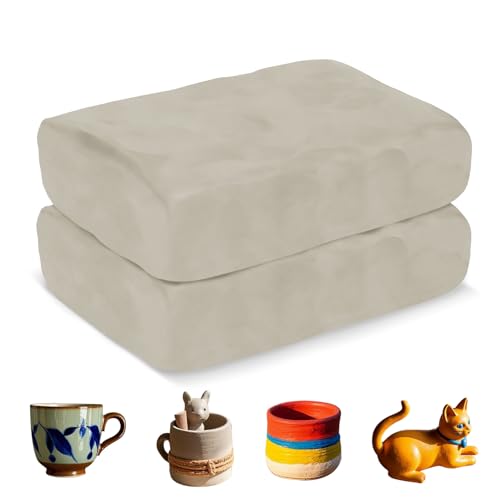
ZEHIQ Premium Air Dry Clay delivers a professional-grade air-dry experience with a smooth, plastic texture that resists cracking when moisture is properly maintained. Sold as two bags totaling 2.2 pounds (1.1 lb per bag), the formula relies on natural kaolin to deliver a clean, consistent surface ideal for sculpting, carving, and lightweight hand-built forms. The product’s features highlight that it remains workable after air drying, and it can be fired in a kiln if you choose to glaze and finish it through conventional firing. This flexibility makes it a strong option for hobbyists who want to experiment with both air-dry and kiln projects.
To maximize durability, maintain a consistent humidity level during the drying phase, avoid ultra-thick pieces, and consider sealing or varnishing after the clay has cured. The clay’s natural composition minimizes odor, supporting comfortable use in home studios. It is well-suited for beginners who want predictable plasticity and for artists who appreciate the option to pursue kiln-fired finishes if desired later on.
Sculpd Pottery Starter Kit

The Sculpd Starter Kit is a complete air-dry pottery experience designed for two people. It includes 4.4 pounds of premium air-dry clay, a 5-piece sculpting tool set, white acrylic paint, brushes, varnish, a potter’s sponge, and a step-by-step guide with video tutorials. This kit emphasizes an accessible, kiln-free workflow, ideal for beginners, family projects, and classroom demos. The clay is described as natural, soft, and easy to shape, providing a smooth, workable surface that dries to a neutral stone-gray color ready for painting or finishing. The kit enables quick, tangible results without investment in a kiln.
While air-dry, the clay remains pliable for a reasonable period, allowing for detailed shaping and layering. Finishes can range from acrylic paints to gloss varnish for water-resistant surfaces. As with other air-dry clays, project sizes should avoid extreme thickness to prevent long drying times and potential cracking. The package’s all-in-one format makes it a popular choice for beginners seeking a guided, practical start in pottery without firing.
ReArt Oven Bake Polymer Clay

ReArt’s oven-bake polymer clay is a practical option for projects that require sturdier results without a kiln. The kit involves a 4.4-pound supply of polymer clay designed to stay soft until baked in a standard home oven, eliminating the need for a pottery kiln. The set also includes pottery tools and paint brushes, supporting a complete project workflow from modeling to finishing. Polymer clays are durable and can be sculpted into a wide range of forms, from jewelry components to small sculptures, then cured to a hard, glassy finish in household ovens. Proper ventilation is recommended during baking, and care should be taken to follow temperature guidelines to avoid scorching or cracking.
Because polymer clays cure through heat rather than air drying, they are well-suited for users who want reliable, dense structures and a broad color palette. They can be sanded and painted after baking, and sealing is optional depending on the desired finish. This option embodies a true no-kiln route for creators seeking long-lasting results with minimal equipment.
Old Potters Low Fire Pottery Clay
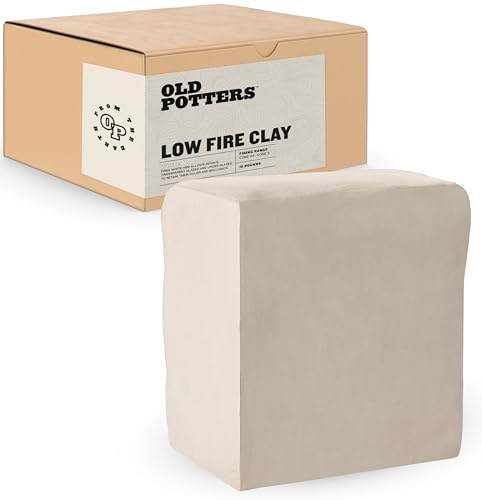
Old Potters Low Fire Pottery Clay is a cone 06-04 formulation designed for wheel throwing and hand-building. Made in the USA, this nontoxic clay emphasizes smooth texture and plasticity, offering reliable performance for a range of artistic styles. It is tailored for traditional firing in a kiln, so it isn’t suitable for kilnless workflows unless you plan to fire the finished pieces separately. This option serves as a useful point of comparison for those who have kiln access or who want to explore kiln-fired outcomes alongside air-dry and oven-bake alternatives.
This class of clay is ideal for artists who want to glaze and finish their work with conventional firing, creating durable wares suitable for functional or decorative pieces. When using kiln-fired clays, ensure proper ventilation and follow firing schedules specified by the manufacturer or your kiln operator to achieve consistent results.
Buying Guide
Choosing the right clay for pottery without a kiln involves weighing how you plan to work, the scale of your projects, and how you want your finished pieces to perform. Air-dry clays are popular for quick, kiln-free results, while oven-bake polymer clays offer durable structures without firing. Kiln-fired clays provide traditional strength and glaze opportunities but require access to a kiln. The sections below outline key considerations and how the included products stack up for typical American hobbyists and educators.
Quick Comparison Of Clay Types
| Type | Pros | Cons | Ideal For |
|---|---|---|---|
| Air-Dry Clay | No kiln needed; quick dry times; easy cleanup | Small sculptures, ornaments, prototypes, classroom projects | |
| Polymer Clay | Durable after baking; broad color range; lightweight | Requires home oven; some odor; higher heat can cause burn if misused | Jewelry, figurines, detailed miniatures, functional parts |
| Kiln-Fired Clay | Strong, glaze-ready finishes; long-term durability | Needs kiln access and firing costs; longer project turnaround | Functional pottery, dinnerware, art pieces requiring glaze |
When selecting, consider project size, desired finish, and whether you value speed over traditional firing. Air-dry clays are forgiving for beginners and great for schools, while polymer clays provide durability and fine detail without a kiln. Kiln-fired clays deliver traditional pottery results if you have kiln access, demanding more setup and planning but yielding durable wares ideal for everyday use.
Key Purchase Considerations
- Drying Time and Humidity: Air-dry clays depend on ambient humidity; thicker sections take longer and risk cracking. Plan drying stages and keep pieces evenly shaped.
- Workability and Plasticity: Look for clays with consistent texture and good plasticity to minimize cracking and improve detailing.
- Safety and Non-Toxicity: Choose non-toxic formulations for home use, classrooms, or for kids’ projects.
- Finish and Sealing: Some air-dry clays accept paints and sealants well, while polymer clays cure to a durable surface without extra sealing.
- Tools and Kits: Starter kits with tools help beginners learn shaping, trimming, and finishing; consider whether a kit includes paints, varnish, or guides.
- Volume and Cost: Mass quantities are economical for multiple projects, but weigh the cost per pound to compare value across brands.
- Project Type: Decide whether you want small decorative pieces, prototypes, pottery-style vessels, or functional wares to guide your choice.
- Storage and Longevity: Air-dry clays need proper wrapping to prevent drying out; polymer clays store well but must be kept away from heat and dust.
- Future Plans: If you think you’ll want kiln-fired finishes later, choose products that offer both air-dry versatility and kiln-ready potential.
Practical Comparisons By Use Case
For quick projects, air-dry clays like ReArt Natural Air-Dry and ZEHIQ Premium Air Dry Clay offer immediate results with minimal equipment. For households or classrooms aiming for more complex forms or two-person projects, Sculpd’s starter kit provides a guided, comprehensive experience without a kiln. If you need durable pieces that can be baked in a standard oven, ReArt’s Polymer Clay provides a reliable alternative with a broad color range. For those with kiln access who want traditional pottery results, Old Potters Low Fire Clay gives a familiar firing path. Each option serves different goals while keeping the “no kiln” core in mind.