
Choosing the right clay for large sculptures involves balancing plasticity, drying or firing requirements, and workable time. The five clay options below cover non-hardening plastilina, oil-based modeling clay, and fired mid-fire ceramic clay, giving you versatile paths for building big forms. Each product is described with its standout features and ideal use cases to help you choose the best clay for your next large sculpture.
| Product | Brand | Clay Type | Best For | Firing |
|---|---|---|---|---|
| Van Aken Plastalina Non-Hardening Modeling Clay 4.5 Lb | Van Aken | Non-Hardening Oil-Based Modeling Clay | Large concept models and blocking | No |
| Sculpture House Roma Plastilina No.1 Soft Gray-Green | Sculpture House | Non-Hardening Plastilina | Soft details and figure blocking | No |
| Sculpture House Roma Plastilina No.2 Med Grey-Green | Sculpture House | Non-Hardening Plastilina | Medium-density sculpting | No |
| The Monster Makers Monster Clay Premium Grade Modeling Clay (4.5lb) | The Monster Makers | Oil/Wax Based Modeling Clay | Large-scale forms with pliability | No |
| Pottery Clay: Best Mix BMX Mid Fire Cone 5-7 | Rocky Mountain Clay | Mid-Fire Pottery Clay | Large ceramic sculptures, kiln-fired pieces | Yes |
Van Aken Plastalina Non-Hardening Modeling Clay

Van Aken Plastalina is a pigmented oil-based modeling compound that remains pliable, making it well suited for large-scale blocking and repeated reshaping without drying out. The 4.5 lb package provides ample material for sizable sculptures or multiple iterations. The clay’s smooth consistency helps create clean transitions between forms and enables easy smoothing with traditional sculpting tools.
- Non-hardening oil-based formula
- 4.5 lb packaging supports large projects
- Pigmented with a smooth color range for visibility during shaping
For best results, start with a strong armature to support mass and avoid excessive handling that could cause uneven moisture loss. Wrap remaining clay tightly to preserve plasticity between sessions. This clay excels for initial massing, conceptual studies, and quick loops of refinement before switching to a firmer material for final detailing.
Sculpture House Roma Plastilina No.1 Soft Gray-Green

Sculpture House Roma Plastilina No.1 Soft Gray-Green is a soft, pliable plastilina designed for easy manipulation and detailed sculpting. While the listed features include references to gray-green color and softness, the No.1 grade is widely appreciated for long sessions of modeling due to its generous plasticity. This material is ideal for large-volume blocking where rapid iteration and repositioning are beneficial, as it maintains pliability without hardening over time.
- Gray-Green color with a soft grade
- Listed as modeling clay under the Roma Plastilina line
- High plasticity supports rapid massing and alteration
Use Roma Plastilina No.1 for early-stage forms or for creating character features at scale. Pair with a sturdy armature for larger sculptures and consider swapping to firmer clays as the form matures to maintain stability during firing or final finishing. The material’s pliability helps in creating smooth surface transitions on big, evolving shapes.
Sculpture House Roma Plastilina No.2 Med Grey-Green

The No.2 medium gray-green Roma Plastilina offers a step up in density from No.1, providing a stable yet workable medium for larger forms that require more structural presence before final detailing. This clay remains pliable enough for extended sessions, making it useful for sculpting bigger masses, facial planes, and large-scale accessories. It is particularly suited to artists who want consistent performance across a range of sizes without having to recondition the material frequently.
- Med Grey-Green color with a medium density
- Professional modeling clay line for extended sessions
- Supports large-scale blocking with steady plasticity
For large sculptures, begin with broad massing in No.2 and gradually refine features using softer sections for delicate areas. The material’s durability during manipulation helps maintain form as you transition to final surfaces and textures. If you plan to fire, ensure your final design remains compatible with your chosen firing schedule and surface treatment.
Monster Clay Premium Grade Modeling Clay

The Monster Clay Premium Grade Modeling Clay is an oil/wax-based modeling compound that comes in a 4.5 lb tub with a medium consistency. It is sulfur-free, which is advantageous for artists sensitive to sulfur compounds that can react with certain pigments or bones in the sculpture’s surface. Its pliable, non-drying nature makes it a popular choice for large-scale concept work and lengthy studio sessions. The oil-wax base provides a smooth, cohesive feel for shaping large volumes and then smoothing or detailing later.
- 4.5 lb tub with medium consistency
- Sulfur-free formulation
- Oil/Wax based for extended workability
Monster Clay is especially helpful for creating large silhouettes, blocking out mass, and testing proportions before committing to a firmer, fired medium. It allows multiple iterations without the material hardening, which is ideal when refining big forms and testing different angles, planes, and volumes. When the sculpture is ready for final detailing, you can switch to a different clay or proceed to a finish that suits your project’s goals.
Pottery Clay: Best Mix BMX Mid Fire Cone 5-7
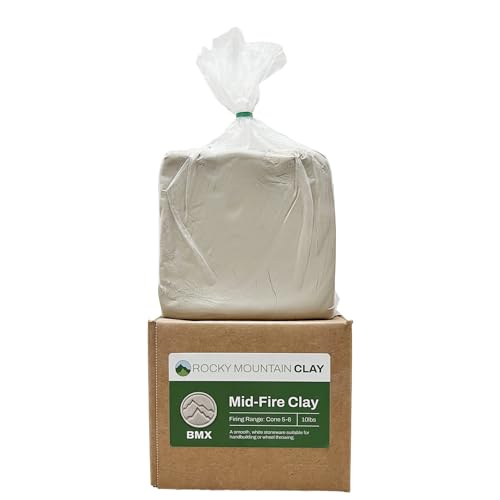
Best Mix BMX Mid Fire Cone 5-7 is a mid-fire pottery clay designed for large, kiln-fired sculptures. The listed features highlight a smooth white mid-fire clay that is great for wheel throwing or hand building. It is non-toxic and gluten-free, which makes it accessible for various studio environments and project types. This clay is a solid choice when your large sculpture is intended to be fired to a durable ceramic finish, offering strength and a clean aesthetic once glazed and cured in a kiln.
- Smooth white mid-fire clay
- Great for wheel throwing or hand building
- Non-toxic and gluten-free
When planning large fired sculptures, BMX provides a dependable ceramic matrix for form, texture, and glaze compatibility. Begin with careful armature and allow for shrinkage during firing. Depending on the scale, you may choose to bisque-fire in stages, then finish with glazes or surface treatments that complement the sculpture’s final presentation. Be mindful of moisture content and kiln cycles to avoid cracking in large, thick sections.
Buying Guide
Choosing the right clay for large sculptures depends on your intended outcome, workspace, and firing plans. Here are key purchase considerations and how the options compare across clay types.
- Clay Type and Final Outcome: Non-hardening plastilina clays (Van Aken, Roma Plastilina No.1 and No.2, Monster Clay) excel for blocking, massing, and rapid iteration without drying. Fired clays (BMX mid-fire) become durable ceramic sculptures but require kiln access and firing cycles.
- Plasticity and Work Time: Oil-based modeling clays remain pliable for extended sessions, aiding long blocking sessions and refinements. Non-hardening clays provide continuous adjustment, but cannot become a ceramic end piece without transitioning to a different material.
- Scale and Structure: Large sculptures benefit from sturdy armatures or internal supports. For fired pieces, plan wall thickness and venting in the design to manage thermal stress during kiln firing.
- Finishing and Surface: Non-hardening clays are easy to sculpt but may require sealing or coating if handled frequently. Fired clays allow glazes and surface finishes, but require compatible surfaces and finish techniques.
- Storage and Longevity: Non-hardening clays stay pliable when stored properly (sealed containers, cool, dry places). Fired sculptures require kiln readiness and glaze compatibility, plus post-firing finishing steps.
- Availability and Size: Consider packaging sizes (4.5 lb for many modeling clays; 10 lb blocks for Activa or larger projects) to ensure you have enough material for your planned sculpture while minimizing waste.
For workflows centered on quick ideation, non-hardening plastilina clays offer rapid iteration and easy massing of large forms. If the goal is a permanent, fired sculpture with a ceramic surface, mid-fire clays like BMX provide strength and glaze compatibility, though they demand kiln access and careful shrinkage management. Combining approaches is common: start with pliable clay to establish mass and proportions, then switch to a firmer clay for final detailing, followed by firing and finishing for display-ready results.