
Whether you’re starting out or upgrading a serious hobby, electric homebrew systems offer precise control, repeatable results, and automation that makes brewing easier. This guide highlights five top options that balance power, durability, and practicality for American homebrewers. From complete digital setups to reliable transfer gear and recirculation accessories, these picks cover a range of batch sizes and budgets while keeping your workflow efficient from mash to dispense.
| Product | Brand | Type | Main Benefit |
|---|---|---|---|
| Clawhammer Complete Electric Homebrew System | Clawhammer Supply | Complete Electric System | Digital control and modular design |
| Yonhamph Food Grade Auto Siphon Pump | Yonhamph | Electric Transfer Pump | Fast, adjustable flow for bottling |
| TMCRAFT Growler Tap System | TMCRAFT | Portable Dispenser | Keeps beer fresh with precise carbonation |
| Chugger Inline Pump XCPSS-IN-1 X-DRY | Chugger Pumps | Inline Pump | Run Dry protection and robust construction |
| Anvil Swirly Recirculation Arm | Hobby Homebrew | Recirculation Arm | Minimizes vibration and cleanup |
Clawhammer Complete Electric Homebrew System
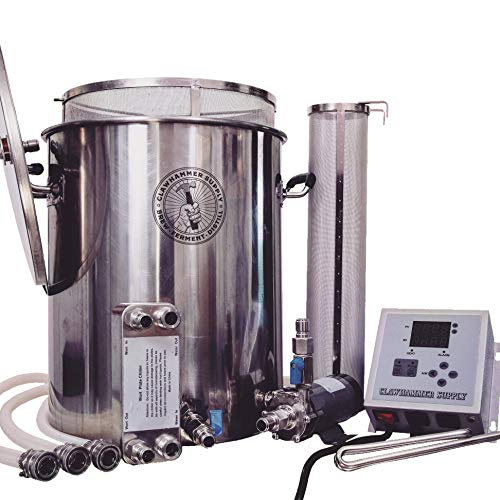
The Clawhammer Complete Electric Homebrew System combines electric heating with a digital controller and a modular design that scales with batch size. Built for BIAB (brew in a bag) and all-grain or extract approaches, it accommodates evolving brewing methods. The 304 stainless construction offers durability and sanitation advantages, while replaceable and upgradable parts support long-term use. An ultra-low watt density design helps manage energy during longer mash and boil cycles. A one-year warranty adds a level of assurance for ongoing use in busy home setups.
Operational control is centered on a digital interface that enhances precision for mash temps and boil times, producing more consistent results batch to batch. The modular architecture simplifies maintenance and allows future upgrades, such as adding additional kettles or filtration steps without replacing the core system. For serious hobbyists aiming to scale recipes or try new processes, this is a robust foundation that blends reliability with flexibility.
Food Grade Electric Bottling Pump from Yonhamph

The Yonhamph pump offers a compact, food-grade solution for bottling and transferring homebrew. Constructed with materials designed to resist deformation and maintain hygiene, it features adjustable speed up to 2 L/min to suit delicate wines or thicker worts. It supports 100-240V operation, making it compatible with most home outlets and portable power sources. Ideal for bottling beer, wine, mead, and kombucha, it also transfers water to various appliances, adding versatility to small-scale brewing operations.
Ease of use is a key benefit, with a simple top-mounted switch and a flexible hose that delivers straightforward transfers. While primarily a bottling helper, the pump’s capacity and hygienic construction make it a practical upgrade for many home-brew setups. Its broad applicability and reliable flow help reduce manual bottling labor and improve consistency across batches.
TMCRAFT 128oz Growler Tap System

The TMCRAFT 128oz Growler Tap System is a portable dispensing solution designed for draft-style service of homebrew and craft beer. Its 128-ounce capacity fits standard coolers and fridges, making it practical for parties, tailgates, or extended tasting sessions. The system uses a vacuum to minimize oxidation, helping keep beer fresh for several months in a typical home setting. An upgraded regulator yields more accurate carbonation, resulting in consistent head and mouthfeel, while the food-grade stainless components maintain flavor integrity and durability.
As a dispensing accessory, it complements existing brewing setups rather than replacing them. It’s ideal for showcasing finished batches or stashed kegs without committing to a full tap system. While it excels at serving, it isn’t a brewing platform in itself; users should pair it with a separate kettle, fermenter, and cooling gear to complete the workflow for full batches.
Chugger Inline Pump XCPSS-IN-1 X-DRY

The Chugger Pump XCPSS-IN-1 X-DRY inline pump delivers dependable transfers for home brewing systems. It features a 1/2″ MPT inlet and outlet, a compact 115-volt motor, and a 55-inch cord for flexible placement. Run Dry protection and a corrosion-resistant 316 stainless steel housing with food-compliant materials support safe operation with hot or cold liquids. This pump is not self-priming; the line must be flooded to start, which is common in brewer setups, but its robust build and efficiency make it a reliable choice for transfer and circulation tasks.
Designed for use with kettles, transfer lines, and counterflow chillers, the XCPSS-IN-1 integrates smoothly into a variety of brewing layouts. Its reliability and durable construction help maintain sanitary conditions across batches, while the Run Dry feature adds safety during extended runs. For brewers building modular systems, this pump provides a solid core component that can be paired with other equipment for a complete workflow.
Anvil Swirly 21″ Recirculation Arm

The Anvil SWIRLY 21″ Clip-On Recirculation Arm is designed to fit many home brewing systems up to 20 gallons and clip onto compatible kettles without requiring major modifications. Brewers value its thoughtful design that minimizes vibration, splashes, and cleanup time while promoting steady wort circulation. The arm’s stainless construction resists corrosion and is easy to clean, contributing to more uniform heating and improved hop utilization during the boil and whirlpool stages.
Installation is straightforward and unobtrusive, making it a practical upgrade for mid-sized brews. The recirculation arm helps achieve clearer wort and better extraction by enhancing movement and heat transfer, especially when paired with a robust mash/lauter setup or a kettle with appropriate ports. It is a simple way to boost consistency and efficiency in a busy home-brew environment.
Buying Guide
Power, Control And Automation
Electric homebrew systems range from fully automated to semi-automatic with digital temperature control. Decide how hands-on you want to be. Look for a clear, responsive control panel, accurate sensors, and reliable safety cutoffs. Consider compatibility with alternative heat sources and how energy-efficient the system is, since long boils and extended mashes can drive electric use higher. A system with scalable automation lets you start simple and add complexity as you gain experience.
Materials and Durability
Durability and sanitation matter for repeated brewing. Stainless steel surfaces (preferably 304) resist corrosion and simplify cleaning. Check critical parts like valves, seals, and gaskets for materials rated for frequent heating cycles. Replaceable components extend the life of the system and reduce downtime between brews. A sturdy build with quality welds and sealed assemblies typically performs better in a busy kitchen or garage environment.
Capacity, Size, And Portability
Match batch size and space to your equipment. Larger systems support bigger brews but require more space and power. Smaller, portable options are great for experimentation or limited spaces but may require more frequent transfers. For dispensers, ensure compatibility with your fridge or cooler. Weigh the convenience of mobility against the needs of your typical batch volume to choose a setup that fits your brewing rhythm.
Maintenance, Replacement Parts, And Warranty
Look for long warranties and easy access to replacement parts. A modular design helps you upgrade without discarding the entire system. Availability of gaskets, seals, valves, and motors matters if you plan ongoing use. Easy disassembly and cleaning reduce downtime between batches and support better sanitation across gear like pumps, recirculation arms, and dispensers.
Brewing Style And Budget
Align gear with the recipes you enjoy and future goals. If you brew frequently and experiment with different techniques, prioritize upgrade paths and reliable support. For casual or occasional brews, a more compact, simpler system can be cost-effective. Balance upfront cost with long-term value, considering how often you’ll upgrade or add components over time.