
Choosing the right fabric for stuffed animals affects softness, durability, and washability. Cotton, plush blends, and specialty fabrics each offer different care and look. This guide highlights five Amazon picks that illustrate fabric options and patterns for cuddly toys, from cotton fat quarters to plush textures. The selections favor natural fibers, ultra-soft blends, and clearly explained patterns that help hobbyists and crafters create durable, lovable plush toys.
Whether you sew, assemble, or buy ready-made plush, these selections demonstrate practical materials and design ideas for American readers. Use this summary to compare fibers, textures, and project needs as you plan your next stuffed animal.
| Product | Focus | Material / Notes |
|---|---|---|
| Animal Theme Cotton Fabric Bundles | Fabric Bundle | 100% cotton; 8 precut fat quarters; 18×22 inches each; animal prints |
| Sew Your Own Pet Pillows | DIY Plush Patterns | Step-by-step directions; photos; patterns for twelve plush friends |
| Simplicity 2613 Plush Pattern | Pattern Pack | Four plush toy designs; instructions; facial features with felt/buttons/embroidery |
| Mary Meyer Cooper Putty Pup | Soft Plush Toy | Putty-soft exterior; approximately 9 inches tall; floppy ears; embroidered features |
| Itzy Ritzy Snuggles Goose | Textured Plush Toy | Ultra-soft minky; sensory ribbons; varied fabrics for tactile play |
Cotton Fabric Bundles For Stuffed Animals
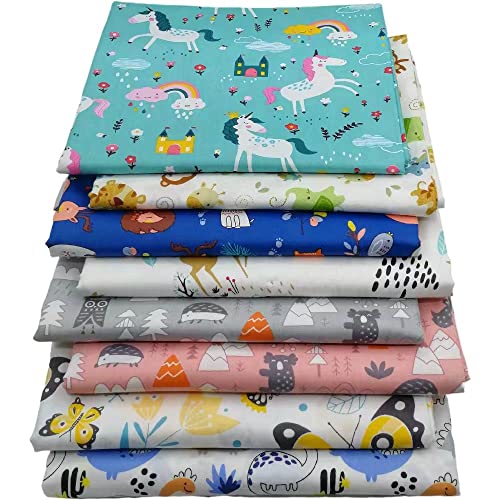
The Animal Theme Cotton Fabric Bundles from LitoTree include eight precut fat quarters of 100% cotton. Each piece measures 18×22 inches, offering ample material for small plush sections, ears, and appliqué details. The dense, smooth cotton is easy to sew and helps maintain crisp shapes, which is ideal for precise toy features. The animal-themed prints provide friendly, kid-appealing visuals that can be combined with different textures to create personality in stuffed animals.
Cotton fibers are breathable and colorfast with proper care, making them a solid choice for durable, machine-washable toys. The eco-friendly nature of the bundle aligns with common crafter preferences for natural fabrics. Whether you’re a beginner or an experienced sewer, these precut pieces streamline the build process and support consistent results across projects.
Sew Your Own Pet Pillows

Sew Your Own Pet Pillows from Design Originals provides twelve huggable plush patterns with step-by-step directions, photos, and pattern templates. The book emphasizes accessible sewing techniques and decorative fabric plushies, guiding hobbyists through creating a variety of pet-inspired cushions and toys. It’s a practical resource for anyone building a small collection of soft companions, offering both inspiration and concrete instructions for fabric selection and construction.
The included patterns encourage experimenting with different textures, such as soft cottons, velvets, or plush fabrics, to achieve distinct appearances and feels. Clear diagrams and progression-focused guidance help builders refine their technique while maintaining attention to safe, cuddly results for children and adults alike.
Simplicity 2613 Plush Pattern

Simplicity 2613 offers a cute, single-size pattern set for four plush toy designs. The package includes sewing instructions, measurements, and cutouts to guide makers from start to finish. This pattern emphasizes simple, approachable construction suitable for beginners and kids, while still enabling creativity in choosing fabrics for different textures and personalities.
Facial features are crafted with felt, buttons, and embroidery thread appliques, adding tactile and visual detail while keeping maintenance in mind. The design accommodates a variety of fabrics, from soft cotton blends to plush velvets, enabling builders to tailor each toy’s feel and look to their preferences or gift recipient.
Mary Meyer Cooper Putty Pup

Mary Meyer’s Cooper Putty Pup is a soft stuffed animal designed for little ones, measuring roughly 9 inches tall. The tri-color coat combines creamy white, taupe, and tan with floppy ears, a soft fabric nose, embroidered mouth, and shiny eyes. This plush demonstrates how careful fabric selection and thoughtful stitching create a welcoming, kid-friendly companion that emphasizes tactile appeal and safety in a finished toy.
For crafters, Cooper Pup exemplifies how a toy’s texture and construction influence overall charm. The use of plush fabrics and secure stitching yields a cuddly, durable plush that can inspire similar projects or serve as a reliable reference when translating patterns into real-world plush designs.
Itzy Ritzy Snuggles Goose

Itzy Ritzy Snuggles Goose is a plush toy made from ultra-soft minky fabric, creating a cozy cuddly companion for babies, kids, and even adults who enjoy tactile comfort. The toy features sensory ribbons and varied fabrics to stimulate tactile exploration, supporting early development while providing a comforting bedtime friend. Its secure stitching and child-friendly materials make it a safe, enduring companion for play and naps alike.
The Goose design highlights how texture variety—combining minky with ribbons or other fabrics—can enhance engagement and imagination. For makers, this example illustrates how fabric choice influences not only feel but play patterns and sensory experiences, guiding fabric selection for future plush projects.
Buying Guide
Key purchase considerations for stuffed-animal fabrics and patterns
- Purpose and age: Choose fabrics rated for children’s products, with easy-care washing and durable seams. For infants, prioritize ultra-soft textures and minimal small parts.
- Fabric type and texture: Cotton provides breathability and ease of sewing; minky/plush adds extreme softness; felt is great for facial features without fraying; fleece offers warmth and resilience. Match texture to the toy’s intended use.
- Durability and care: Look for fabrics that withstand frequent washing and rough handling. Consider fabrics with colorfast dyes and color-matching to ensure consistent appearance after multiple launderings.
- Safety and construction: Ensure stitching is secure and fabrics are non-toxic. For patterns, check recommended age ranges and safety features like embroidered eyes instead of small plastic parts for younger children.
- Pattern vs. fabric bundles: Patterns provide structure and guidance, while fabric bundles let you customize. Beginners may prefer patterns with clear photos; advanced crafters can mix fabrics to create unique textures.
- Availability and cost: Some fabrics and patterns are seasonal or limited; plan ahead for project timelines and budget. Consider versatility—patterns that support multiple characters tend to offer better long-term value.
Material comparison at a glance
| Material | Pros | Cons | Best For |
|---|---|---|---|
| 100% Cotton | Breathable, easy to sew, colorfast with care | May shrink; less plush than synthetic blends | Outer fabrics for light-to-midweight plush |
| Minky/Plush | Incredibly soft; luxurious feel | Can shed; more challenging to sew densely | Full-bodied plush toys and snuggle toys |
| Felt | No fraying; easy to cut; visible features | Less durable over time; can be stiff | Eyes, noses, whiskers, facial accents |
| Fleece | Warm, forgiving to work with; stretchy | Pills with use; may require careful laundering | Soft body fabrics; beginner-friendly projects |
When choosing fabrics for stuffed animals, balance texture, durability, and care. For beginners, starting with cotton bundles or felt for facial features can simplify projects. For advanced makers, combining minky with cotton or fleece yields premium plush toys with varied tactile experiences. Always verify the product’s care instructions and safety guidelines to ensure the finished plush remains inviting and durable through play and washing cycles.