
Choosing the right adhesive for acrylic projects keeps joints strong and nearly invisible. The following five products are widely used for bonding clear acrylic sheets, plexiglass, and related plastics, offering fast-setting formulas, crystal-clear finishes, and reliable durability. This guide compares solvent-based cement and specialized glues for acrylic, highlighting ideal applications, application tips, and safety considerations to help you pick the best option for displays, repairs, and fabrication tasks.
| Product | Brand | Ideal Use | Key Benefit |
|---|---|---|---|
| IPS Weld-On 3 Acrylic Plastic Cement | WELD-ON | Acrylic bonding | Fast-setting, clear bond |
| Acrylic Bonding Cement With Applicator | Berkland | Plexiglass and acrylic sheets | Water-thin formula, precision bond |
| Viomis Glass Glue For Acrylic | Viomis | Acrylic and glass crafts | 15s dry; clear, durable |
| ALECPEA Plastic Glue For Acrylics | ALECPEA | Plastic models and projects | 15s set; strong; three nozzles |
| Sdintar Glass Glue For Acrylic | Sdintar | Glass and acrylic bonding | Three tips; versatile |
IPS Weld-On 3 Acrylic Plastic Cement
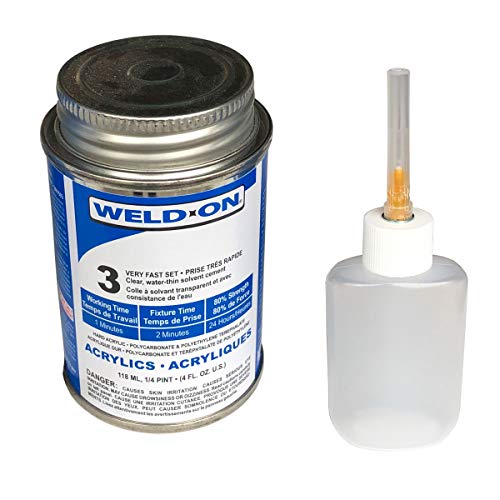
IPS Weld-On 3 is a fast-setting solvent cement designed for bonding acrylic and other clear plastics. The 4 oz can provides a crystal-clear bond by slightly fusing surface layers, producing a strong joint suitable for display panels, acrylic sheets, and plexiglass assemblies. It is widely used in professional settings where quick handling and transparent finishes matter. Ventilation is recommended during use due to solvent fumes, and surfaces should be clean and dry for best results.
Because this is a solvent-based cement, precise alignment before the joint sets is essential. Apply a thin bead along the edge, bring parts together, and clamp or hold until tack sets. The result is a strong, nearly invisible bond with fast initial bonding and full strength after complete curing. Suitable for fabrications where optical clarity is critical.
Acrylic Bonding Cement With Applicator

This Berkland acrylic bonding cement features a precision, water-thin formula that flows into tight joints on acrylic and other plastics, enabling clean, strong bonds. It sets in minutes, offering an initial tack quickly and full strength after curing. The crystal-clear finish dries transparently, making it ideal for plexiglass panels and clear displays where bonding lines must be nearly invisible.
Best used on clean, dry surfaces. Apply a thin layer to the joint and press parts together, maintaining alignment as the bond forms. Because setting is fast, work in a well-ventilated area and use minimal adhesive to avoid excess squeeze-out. This adhesive excels in fabrication, repairs, and quick-turnaround projects requiring a discreet, durable bond.
Viomis Glass Glue For Acrylic

The Viomis 30g glass glue is designed for versatile bonding with glass and acrylic, offering a fast-drying formula with an impressive 15-second initial setting and a durable bond within 24 hours. It dries clear and resists temperature changes, making it suitable for crafts, jewelry, rhinestones, mirrors, and small glass-to-plastic repairs without leaving visible residues or whitening edges.
This adhesive is especially useful when joints need to remain visually unobtrusive. For best results, apply to clean surfaces and press firmly to ensure full contact. Allow full curing time to achieve maximum strength, particularly on larger or load-bearing assemblies.
ALECPEA Plastic Glue For Acrylics

ALECPEA’s 30g plastic glue targets difficult plastic bonds, including acrylics, with a strong, torsion-resistant grip. It is marketed for plastic models, DIY crafts, electronics housings, and other projects where resilience matters. The formulation aims to prevent hardness, brittleness, or color changes, preserving the appearance of acrylic components while delivering durable bonds.
Set time is fast—about 15 seconds—followed by full cure within 24 hours. The package includes three applicator nozzles for precise application on small joints or intricate details. This versatility makes it suitable for hobbyists and professionals tackling multiple acrylic repair scenarios.
Sdintar Glass Glue For Acrylic

Sdintar Glass Glue is designed for bonding glass to glass and glass to acrylic, offering a transparent, colorless finish with strong, durable performance. It ships with three precision tips for clean, controlled application on small joints or delicate details, making it suitable for crafts, repairs, and display pieces where neat joints matter.
The adhesive’s high-viscosity formula helps minimize runs on vertical or uneven surfaces, helping joints stay clean during assembly. It provides a reliable option when bonding different substrates—especially glass and acrylic—without compromising clarity or strength.
Buying Guide
Key Considerations When Choosing Acrylic Glue
- Bond Type: Decide between solvent-based cement (welds surfaces) and surface-bonding glues. Cement often yields a stronger, clearer joint for acrylic sheets, while glues may suit mixed-material repairs.
- Cure Time: Fast-setting products enable quick repairs, but ensure full cure for maximum strength. Balance project speed with workability.
- Clarity And Finish: For displays and visible joints, choose products advertised as crystal clear or transparent to minimize bonding lines.
- Material Compatibility: Confirm acrylic readiness and compatibility with other plastics or glass if mixing substrates.
- Application Method: Look for applicator types (bottles, precision tips, or nozzles) that suit the joint geometry and your dexterity.
- Safety: Work in well-ventilated areas, wear eye protection, and follow storage recommendations to prevent evaporation or degradation.
Types Of Acrylic Bonding Agents
- Solvent Cements: Create a fused joint by softening surfaces; typically provide very clear results for acrylic sheets.
- Specialty Glues: Designed for glass-to-acrylic or mixed-material bonds with flexible or temperature-resistant properties.
- Epoxy and Two-Part Adhesives: Offer very strong bonds across plastics, but may yellow or be less clear with some acrylics.
Choosing Between Cement, Glue, And Adhesive
- Projects Requiring Visibility: Prefer crystal-clear, low-visibility bonds from solvent cements or clear adhesives.
- Speed Needs: Fast-setting options (often 15–30 seconds) suit prototypes or rush repairs.
- Joint Strength: For load-bearing or long-term use, consider products offering full cure strength and temperature resilience.
Surface Preparation And Safety Tips
- Prepare Surfaces: Clean, dry surfaces yield the strongest bonds; remove oils, dust, and residues before bonding.
- Ventilation: Use adhesives in a well-ventilated area to minimize inhalation of fumes.
- Test First: For unfamiliar materials, test the adhesive on a scrap piece to confirm compatibility and finish.
- Storage: Keep caps tightly closed and store away from heat to extend adhesive life.
Comparative Quick Reference
- Fastest setting: Some glues offer 15-second to 30-second initial set, suitable for rapid project cycles.
- Best for acrylic-only joints: Cement-based products often deliver stronger, clearer bonds on acrylic sheets.
- Best for glass-to-acrylic or mixed substrates: Specialty glues provide compatibility with non-acrylic materials while preserving clarity.
- Applicator options: Some brands include multiple precision tips or applicator nozzles for delicate joints.