
For quilters, Juki machines are renowned for handling thick quilts, precise stitching, and long-session reliability. This guide highlights five top Juki models that excel in quilting, from computerized versatility to robust performance. Each profile covers core features, how it performs on quilts, and who benefits most. The goal is to help you compare options without getting overwhelmed by specs.
| Product | Key Feature | Ideal For |
|---|---|---|
| Juki HZL-F600 Computerized Quilting Machine | 255 stitches, LCD screen, automatic needle threader | Crafters seeking broad stitch options and easy threading |
| Juki TL-2010Q Quilting Machine | High performance, automatic thread trimming, knee lifter | Precision piecing and fast, clean quilting |
| Juki HZL-F300 Quilting Machine | 106 stitches, 16 automatic buttonholes, sensor buttonholes | Versatile, value-focused quilting and sewing |
| Juki Haruka TL18QVP Quilting Machine | Industrial-mechanism feel, light control, floating presser foot | Thick fabrics and long quiltings with guided setup |
| Juki TL-18QVP-COL Platinum Collectors Edition | Industrial quality build, platinum finish, micro-lifter | Premium build for dedicated quilters and collectors |
Introduction to models at a glance: The HZL-F600 stands out with its extensive stitch library and user-friendly interface, ideal for quilters who want versatility. The TL-2010Q emphasizes speed and convenience with an automatic thread trimmer and knee lifter for large projects. The HZL-F300 balances features and price with a solid range of stitches and sensor buttonholes. Haruka TL18QVP offers a quasi-industrial feel and flexible lighting for challenging fabrics. The TL-18QVP-COL combines premium durability with a collector’s edition finish for enthusiasts seeking long-term reliability.
Juki HZL-F600 Computerized Quilting Machine

The HZL-F600 is a computerized sewing and quilting machine with 255 built-in stitches, including basic, stretch, decorative, and letters, plus buttonhole options. The LCD stitch selector makes it easy to view and choose stitches with the push of a button. An automatic needle threader reduces eye strain, and the machine is designed to minimize jam risks during complex quilting tasks. This model suits quilters who want a broad stitch palette and straightforward operation for varied projects.
Key setup notes: The LCD display provides immediate confirmation of stitch selection, and the jam-resistant design helps maintain flow during long sessions. Users can switch between decorative patterns, alphabets for labels, and utility stitches to tackle quilt blocks, bindings, and embroidery motifs.
Juki TL-2010Q Quilting Machine
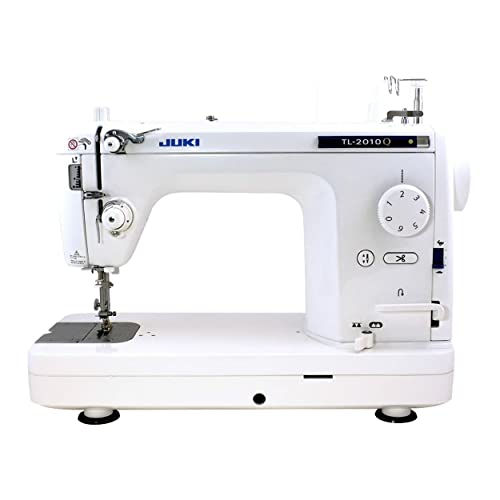
The TL-2010Q is a high-performance sewing and quilting machine designed for serious quilters. It features an automatic thread trimming device that neatly trims both needle and bobbin threads, a practical push-button function near the needle, and a knee lifter lever for hands-free presser foot control. With a high presser foot clearance—up to 12 mm—it handles light to heavyweight fabrics with ease, making it a strong option for large quilts and detailed topstitching projects.
Practical implications: The automatic thread cutter saves time on repetitive trims between steps, while the knee lifter minimizes interruptions during intricate quilting sequences. The machine’s overall speed and robust build support fast, consistent stitching across thick quilt layers, aiding accuracy on large formats like twin or queen quilts.
Juki HZL-F300 Quilting Machine

The HZL-F300 offers 106 stitch patterns and 3 fonts for versatility, along with a free-arm capability for sewing cuffs, sleeves, and quilt edges. It includes 16 automatic electronic sensor-controlled buttonholes, enabling consistent buttonhole lengths and quality across multiple projects. This model balances versatility with ease of use, making it suitable for quilters who want a broad but approachable stitch repertoire without the top-end price tag.
What matters in practice: The sensor-controlled buttonholes deliver reliable, repeatable results in garment and quilt components alike. The free-arm feature helps with patchwork and quilting details, while the 106 stitches cover basic to decorative needs, enabling flexible block designs and appliqué work without constantly switching machines.
Juki Haruka TL18QVP Quilting Machine

The Haruka TL18QVP embodies mechanisms aligned with Juki’s industrial lines, aimed at preventing uneven sewing on quilts and velvet fabrics, as well as on stretched knit materials. A floating presser foot (0–2 mm) assists in navigating thick seams, reducing snagging. An attachable mounting plate accommodates fabric guides and attachments, extending the machine’s life by preserving mount integrity. The needle area features a brightness control switch, allowing you to adjust lighting to your preference for detailed quilting tasks.
Why this matters for quilters: The industrial-inspired mechanism provides stability for challenging materials and bulky layers, while features like adjustable lighting and a floating foot improve visibility and fabric handling. The add-on mounting plate and accessory compatibility support expanding capabilities as skills grow or projects demand specialized guides and feet.
Juki TL-18QVP-COL Platinum Collectors Edition

The TL-18QVP-COL Platinum Collectors Edition is built with an industrial-grade frame and a distinctive platinum finish. It features a float function (micro-lifter) for delicate control on heavy fabrics and thick seams. This edition emphasizes durability and premium aesthetics, making it a preferred choice for quilters who want a long-lasting machine with a standout look for their studio.
Notes for discerning buyers: This model emphasizes construction quality and longevity, ideal for those who plan to sew extensively on larger quilts or who value a collector-grade machine with reliable performance over many years. The micro-lifter enhances fabric handling and stitching precision on challenging materials.
Buying Guide: Key Considerations When Choosing a Juki Quilting Machine
- Quilting capability and stitch variety: Assess the number and types of stitches, including utility, decorative, and satin stitches, as well as any specialized quilting stitches. A broader library supports more quilting styles and block designs.
- Fabric handling and throat space: Look at bed size, throat depth, and overall table area. A larger throat and exposed workspace help manage multi-layer quilts and long seams.
- Speed and motor type: Consider sewing speed (stitches per minute) and motor design (servo vs. clutch). Higher speeds save time on large projects but require steadier hands for precision.
- Automatic features: Automatic needle threader, thread cutter, and knee lifter can reduce fatigue during long quilting sessions. Evaluate how these features integrate with your workflow.
- Buttonhole options: Sensor-controlled or automatic buttonholes enhance consistency across garments and quilted sections that require button closures or decorative elements.
- Attachments and expandability: Free-arm capability, additional feet, extension tables, and compatibility with quilting frames or guides extend the machine’s utility for various quilt techniques.
- Build quality and warranty: A robust frame and reliable components contribute to longevity in heavy quilting use. Check warranty terms and supplier support for maintenance and parts.
- Ease of use vs. professional features: Beginners may prioritize fewer steps and easier navigation, while advanced quilters might seek features that optimize speed and long-term precision.
- Noise and vibration: Some models run quietly and smoothly, which is beneficial for longer sessions and home studios.
- Overall value: Compare the feature set against the price and anticipated project load. A more expensive model with extended durability and better support might offer greater long-term value.