Choosing the right fabric is essential for embroidery success. The material determines stitch behavior, drape, and how well designs hold up over time. Cotton muslin and poplin offer breathable, fiber-friendly surfaces; linen fabrics bring natural texture and resilience; heavier canvases support bold embroidery on bags and apparel. This guide reviews five Amazon options that balance softness, durability, and workability for beginners and seasoned stitchers alike. Each selection emphasizes material type, weight, width, and care. After the product highlights, a concise buying guide helps you match fabric to project needs and stitching techniques.
| Product | Brand | Size / Width | Material |
|---|---|---|---|
| PEASUG Cotton Muslin | PEASUG | 63″ x 2 yards | 100% Cotton Muslin |
| WAFASSZD Ivory Cotton Poplin | WAFASSZD | 59″ x 5 yards | 100% Cotton Poplin |
| LOVOUS Muslin Linen Embroidery Fabric | LOVOUS | 21″ x 62″ | Muslin / Linen Blend |
| DIVINA VITAE White Cotton Muslin | DIVINA VITAE | 59″ x 1 yard | 100% Cotton Muslin |
| WAFASSZD Black Twill Canvas | WAFASSZD | 59″ x 2 yards | 100% Cotton Twill Canvas |
PEASUG Cotton Muslin for Embroidery

This piece measures 63 inches wide by 2 yards, offering a substantial, natural base for embroidery projects. It is 100% cotton muslin and unbleached, providing a smooth surface with breathable fibers that take stitches well. The natural finish helps designs pop with authentic texture, while the fabric’s soft hand supports comfortable wear if used in garments. Material consistency allows even stitching and reliable color uptake, making it a dependable choice for practice pieces, appliqué foundations, or decorative embroidery on lightweight garments.
As a natural cotton product, expect minor seed particles to be present—an ordinary characteristic of unbleached fabric. This does not affect performance; it simply reflects the fabric’s authenticity. When you need more coverage, multiple packs are available. Use this muslin as a sturdy embroidery base, a backing layer, or a plain fabric for hand-stitched textures and patterns.
WAFASSZD Ivory Cotton Poplin for Embroidery

This 5-yard roll features a generous 59-inch width, crafted from 100% cotton poplin. The fabric presents a smooth finish with a soft touch and a natural, light drape, balanced by a gentle stiffness ideal for precise hooping and stable embroidery. Its cotton composition makes it easy to care for—machine washable on a gentle cycle and air drying recommended to preserve texture and color. It serves well as a versatile backing, backing for fittings, draping in presentations, curtains, apparel, and quilting projects, delivering a refined yet practical embroidery surface.
The ivory tone adds a neutral backdrop that helps stitch colors stand out, while the fabric’s weight supports both machine and hand embroidery. For best results, wash in cool water and avoid harsh detergents that could affect the finish. This poplin is well suited to beginners seeking an affordable, reliable base and to seasoned crafters needing a dependable workhorse fabric.
LOVOUS Muslin Linen Embroidery Fabric

This 21 by 62-inch piece is offered in its natural, unbleached color, presenting a rustic, authentic look for embroidery and needlework. Marketed as a muslin-linen blend, the fabric combines the breathability of muslin with the texture and strength of linen, delivering a sturdy yet pliable surface that holds stitches well. It is suitable for decorative embroidery, appliqué, and backing in various projects. If you are aiming for a natural, organic aesthetic, this fabric provides a distinct character that can elevate heirloom-style pieces and modern textile art alike.
Available in multiple color options beyond natural, you can select a shade that complements your design palette. As with natural textiles, test colorfastness before large projects and consider stabilizers for highly detailed work. This piece is a good choice for embroiderers exploring texture-rich finishes without sacrificing stitch clarity.
DIVINA VITAE White Cotton Muslin by the Yard
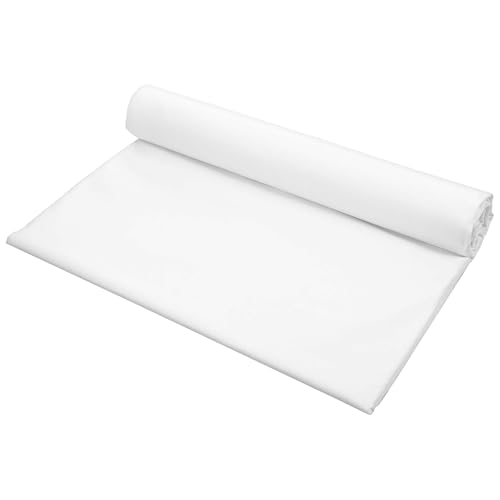
This white cotton fabric measures 59 inches in width and is sold per yard. Made from 100% cotton, it offers a smooth finish, soft hand, and a balanced weight suitable for embroidery, backing, and light draping. The cotton muslin surface typically absorbs thread and color with good definition, making it a reliable choice for beginners and experienced stitchers alike. It is machine washable on gentle settings, with air drying recommended to preserve integrity and prevent excessive shrinkage over time. The one-yard cut is convenient for smaller projects and pattern making.
The fabric’s natural properties promote clear stitch definition, while its even surface supports a range of embroidery techniques—from simple satin stitches to more intricate designs. This option is ideal for pattern tracing, temporary foundations, and as a versatile base fabric for varied embroidery applications.
WAFASSZD Black Twill Canvas for Embroidery

This heavier fabric measures 59 inches in width and comes in a 2-yard length, with a substantial 9.5 oz per square meter weight. The thick, sturdy black twill canvas is ideal for bold embroidery on bags, jackets, and home accessories that require structure. The dense weave provides excellent stitch stability and reduces fraying, making it a durable choice for projects that demand lasting durability and sharp line work. Pre-washing is recommended to reduce potential shrinkage and to set color; test stitching tension to avoid puckering on dense designs.
While its weight limits drape, this fabric shines in applications where form and resilience trump fluidity. It is well suited for wall hangings, outerwear accents, or tote bags that benefit from a crisp, high-contrast embroidery effect. For beginners, start with simple designs to gauge tension and stitch density before advancing to more complex patterns.
Buying Guide
When selecting embroidery fabrics, consider how weight and weave influence stitch behavior, stability, and finished look. Lighter muslins and poplins offer柔 soft drape and excellent color absorption for delicate designs, while heavier canvases provide stiffness and structure for bold, statement work. Width and yardage affect project planning—opt for wider fabrics for larger designs or abundant backing material for quilts and wall hangings. Fiber content matters for care and colorfastness: natural cottons are forgiving and breathable, but blends can offer improved wrinkle resistance. Stabilizers, hooping techniques, and stitching density interact with fabric choice, so plan accordingly.
- Project type: choose light fabrics (muslin, poplin, linen blends) for garments, baby items, and decorative pieces; choose heavier canvases for bags, jackets, and home decor that require rigidity.
- Weight and drape: lighter fabrics yield softer drape and subtle stitching; heavier fabrics hold form and support dense embroidery.
- Care and colorfastness: natural cottons wash well, but blends may require gentler cycles; pre-washing helps reduce shrinkage and color bleed.
- Width and yardage: ensure sufficient length for your design size; purchasing extra yardage allows for mistakes and future projects.
- Stabilizers and techniques: plan stabilizer type (tear-away, cut-away, water-soluble) based on fabric weight and stitch density to prevent distortion.
- Color and aesthetics: natural shades offer rustic looks, while ivory and white provide a clean backdrop for vibrant threads; ensure colorfast threads match the fabric color.
- Budget and availability: stock varies by brand; consider versatile options that cover a range of projects to maximize value.
- Pre-wash and testing: test wash settings on a swatch to confirm elasticity and shrinkage, then proceed with the main project.
- Storage and handling: store fabric flat or rolled to prevent creasing; keep away from direct sunlight to avoid fading of natural fibers.
In summary, match fabric weight and weave to your embroidery technique and project type. For beginners or practice pieces, light muslin or ivory poplin provides forgiving stitching surfaces. For durable accessories or garments, opt for heavier twill canvas or linen blends. Consider yardage needs, care requirements, and stabilizer compatibility to achieve clean, lasting embroidery results across a range of American crafting projects.