
Choosing the right milk paint for furniture can transform tired pieces into statement furniture with minimal effort. This guide focuses on popular, American-made milk paints and related finishes that work well on wood, cabinets, and decorative furniture. We evaluate coverage, drying times, VOCs, primer needs, and the potential for different look techniques—from distressed vintage to smooth modern. Whether you want a washed, translucent layer or a solid color, the selections below represent a range of finishes from classic white to deep tones, and include both true milk paint and compatible sealers. Use the summary table for a quick snapshot of each option.
| Product | Brand | Key Features |
|---|---|---|
| Rust-Oleum Milk Paint Finish | Rust-Oleum | Brushed texture, low VOC, covers up to 125 sq ft/quart, quick dry, one-step adhesion |
| General Finishes Milk Paint | General Finishes | Self-sealing, no topcoat required, high adhesion, interior/exterior use |
| Real Milk Paint Wood Paint For Furniture | Real Milk Paint | Matte finish, no primer needed on raw wood, sticks to multiple surfaces |
| Real Milk Paint Soft Finishing Wax | Real Milk Paint | Natural beeswax and carnauba wax sealer, satin finish, dries hard, food-safe context |
| FolkArt Chalk Finish Paint | FolkArt | Ultra-matte, quick-drying, versatile on wood, glass, metal, terra cotta |
Rust-Oleum Milk Paint Finish

Rust-Oleum Milk Paint Finish is a water-based option designed to deliver a distinctive brushed texture and a washed matte look. It’s well-suited for reviving vintage furniture or adding a soft, aged character to new pieces. The formula is easy to clean with soap and water and emphasizes a low odor, low VOC experience for indoor use. Coverage runs up to 125 square feet per quart, with a dry-to-touch time of about 30 minutes and the ability to recoat after one hour. A key benefit is the one-step adhesion approach, which reduces the need for primers and speeds up projects. Layering coats yields a semi-transparent base, while additional coats intensify color and depth.
- Unique brushed effect and washed matte finish
- Water-based with low VOC and low odor
- Covers up to 125 sq ft per quart; dries quickly
- One-step adhesion; no primer required; buildable
- Great for layering techniques to achieve custom looks
General Finishes Milk Paint

General Finishes Water Based Milk Paint is known for its self-sealing properties, often reducing or eliminating the need for a separate topcoat. This makes it a practical choice for busy projects or spaces where minimal odors matter. It offers strong adhesion for interior applications and performs well on a range of surfaces, including cabinets and furniture. When working with high-saturation whites, caution is advised with topcoats, as some combinations may lead to subtle yellowing on certain substrates. Overall, it’s a durable option that blends well into both traditional and contemporary furniture styles.
- Self-sealing finish; often no topcoat required
- High adhesion for interior or exterior use
- Versatile on cabinets, furniture, and décors
- Color caution with whites and topcoat interactions
Real Milk Paint Wood Paint For Furniture

Real Milk Paint Wood Paint provides a matte finish suited for cabinets, walls, brick, stone, and furniture. It is a water-based, organic formula designed with no required primer on raw wood and porous surfaces when using the recommended Ultra Bond. Its versatility extends to multiple substrates, including plaster, drywall, stone, and concrete, making it a strong choice for varied DIY projects. For the best results, seal the painted surface with Real Milk Paint wax, oil, or finishes to protect and enhance aging effects.
- Matte finish; no primer needed on raw wood
- Sticks to multiple surfaces including plaster, drywall, stone
- Versatile for furniture, cabinets, and décor
- Seal with Real Milk Paint wax or oils for durability
Real Milk Paint Soft Finishing Wax
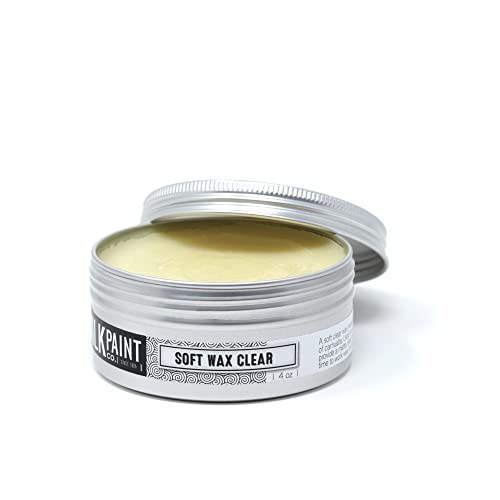
Soft Finishing Wax is a soft wax sealer designed for painted furniture, including pieces finished with Real Milk Paint or other chalk-style paints. Made from natural beeswax and carnauba wax, it provides a lustrous satin sheen and a protective surface without harsh solvents. The wax dries hard and resists whitening in deeper crevices, making it suitable for sealed milk-painted surfaces. It’s commonly applied as a topcoat to extend durability and enhance the warmth of the underlying paint, particularly on lower-traffic furniture and decorative pieces.
- Soft wax sealant with natural waxes
- Satin finish; dries hard and protective
- No harsh solvent smell; safe for indoor use
- Works well over milk paint and other chalk-style paints
FolkArt Chalk Finish Paint

FolkArt Home Décor Chalk Finish Acrylic Paint provides a versatile option with an ultra-matte finish and quick drying times. Available in multiple colors, it’s well-suited for distressed or antique looks on a variety of surfaces, including wood, glass, metal, terra cotta, and more. This chalk finish is popular for projects that benefit from minimal surface prep and easy layering or sanding to achieve age-distressed effects. It’s a practical choice for crafters and hobbyists seeking a soft, vintage aesthetic.
- Ultra-matte chalk finish; quick-drying
- Versatile on wood, glass, metal, terra cotta, and more
- Minimal surface prep; easy distressing and layering
- 8 oz cans offer convenient, manageable quantities
Buying Guide
Choosing the right milk paint or related finish depends on your project goals, surface type, and desired look. Consider finish type, surface prep, odor and safety, coverage and drying times, and how much sealing or topcoating you plan to use. The following factors help you compare options across the five products above and decide which combination best fits your furniture refinishing projects.
- Finish type and appearance: Milk paint delivers a traditional, slightly translucent look with edge wear possible when distressed. Chalk finishes provide a more matte, velvety appearance. If you want a modern, opaque look with less texture, pick a true milk paint with layering or a chalk-based alternative.
- Surface compatibility: Real Milk Paint products emphasize raw wood and porous surfaces, but many options adhere to plaster, drywall, stone, and concrete as well. For vintage pieces with previous finishes, consider a product that’s known for good adhesion and minimal primer needs.
- Primer and topcoat considerations: Some options are self-sealing or require no topcoat, while others excel with a wax or oil seal for durability and finish warmth. Plan for a sealer if the furniture will see daily use or exposure to moisture.
- Odor and VOCs: Low-VOC, low-odor formulas are preferable for indoor spaces. Water-based options tend to emit fewer fumes and clean up easily with soap and water.
- Drying and recoat times: Fast-drying paints enable quicker project turnaround, but allow adequate time between coats for best adhesion. Be mindful of humidity and temperature, which can affect cure time.
- Distressing and layering: If you prefer a vintage or antique look, choose paints that respond well to distressing and layering. Some products are especially formulated for an authentic aged effect when sanded or brushed in a certain direction.
- Sealants and durability: Wax seals add warmth and depth but require maintenance. If you want stronger long-term protection, consider a topcoat or a sealant recommended by the paint brand.
- Color availability and matching: White and black shades are versatile, but you’ll get a broader palette with chalk finishes and some milk paints. Test color on a hidden area or sample board before committing to a full project.
- Budget and availability: Some brands offer larger can sizes or refill options; others come in small bottles or quarts. Plan for coverage estimates and project scope when budgeting.
Notes on Application and Technique
For best results, follow each product’s instructions regarding surface preparation, mixing (if needed), and layering. When distressing, work with the grain and use controlled sanding to reveal aged wood beneath. A light sanding between coats can improve adhesion and softness of the final finish. For wax seals, apply with a clean cloth or wax brush in circular motions, then buff after drying to achieve your desired sheen. Always work in a well-ventilated area and clean brushes promptly after use to maintain tool longevity.