
Oak repair jobs demand fillers that blend with the grain, resist moisture, and accept stains or paint consistently. The following five products cover Golden Oak and White Oak tones, with options for water resistance, stainability, and ease of application. Use the quick-reference table to compare color, size, and benefits at a glance. Each option is suitable for indoor projects and some are fit for outdoor use when properly sealed.
| Product | Brand | Color/Notes | Size (oz) | Key Benefit |
|---|---|---|---|---|
| Gorilla All Purpose Wood Filler | GORILLA | Golden Oak | 6 | Water resistant; natural finish; indoors or outdoors |
| Minwax Color-Matched Wood Filler | Minwax | Golden Oak | 6 | Color-matched, no-sand repair for finished wood |
| Goodfilla White Oak Wood Filler | Goodfilla | White Oak | 8 | Stainable, tintable, long shelf life |
| DAP Plastic Wood All Purpose Latex Wood Filler | DAP | Red Oak | 6 | Looks like real wood; versatile interior/exterior use |
| Minwax Wood Putty | Minwax | Golden Oak | 3.75 | Non-hardening; color-matched; easy repairs |
Gorilla Golden Oak Wood Filler

Gorilla All Purpose Wood Filler is positioned as a tough, water-resistant option for repairing cracks, gouges, and holes. Its natural finish is designed to be easy to spread, enabling a smooth, unobtrusive repair that blends with oak grain. The product is suitable for both indoor projects and outdoor repairs when weather exposure is a consideration, and it is formulated to resist shrinking and cracking over time. For optimal results, apply with a putty knife, then sand to a level surface before staining or painting.
In practice, this filler works well on furniture, trim, cabinets, and exterior woodwork where a Golden Oak tone is needed. It accepts staining and paints, and the water resistance helps maintain integrity in humid environments. The filler’s strong bond supports nails and screws during repairs and helps restore a uniform appearance without the telltale signs of aging, such as settling or sinking. Always ensure the repaired area is clean and dry before application for best adhesion.
Minwax Golden Oak Color-Matched Filler

Minwax Color-Matched Wood Filler is described as a professional-grade, no-sand solution for defects in finished wood. It is designed for repairing cracks, gouges, nail holes, and other flaws across finished and unfinished indoor and outdoor wood surfaces. The filler is color-matched to wood finishes, helping it blend with minimal staining work. It can be sanded, cut, drilled, planed, stained, varnished, painted, or lacquered, making it a versatile option for projects that require a realistic wood look and a smooth surface ready for finishing.
With this filler, users gain a ready-to-use product that reduces prep time while offering a durable repair that mimics real wood tonal variation. For best results, apply in thin layers, allowing each to set before adding subsequent coats. When finishing, wipe away any excess material to keep a clean surface and minimize sanding. It pairs well with Golden Oak stains and sealants, helping you achieve a cohesive oak appearance across repairs and original woodwork.
Goodfilla White Oak Wood Filler

Goodfilla White Oak Filler emphasizes high quality and cost efficiency. It claims no shrinkage, sinking, or cracking and offers excellent adhesion, making it suitable for professional woodworkers and DIY enthusiasts alike. The product can be mixed with pigments, tints, stains, or dyes to achieve the desired color balance, and it reconstitutes with water, extending its life. Customers may appreciate its freeze-thaw stability, which supports reliable performance in varying climates. The formula is water-based and designed for ease of use and consistent results on oak surfaces.
In practice, Goodfilla’s filler is marketed as a long-lasting option for interior repairs, including edges and joints in white oak projects. Its tintability allows customization to closely match the surrounding grain, while its non-toxic composition supports safer indoor use. For best outcomes, test a small area first to confirm color alignment with your oak finish, then apply thin coats and sand smoothly for a seamless repair that takes stain or varnish well.
DAP Plastic Wood Red Oak Filler

DAP Plastic Wood All Purpose Latex Wood Filler emphasizes a look and feel of real wood, with particular suitability for corners and vertical surfaces on interior or exterior wood. The latex-based formula is noted for being easy to use and capable of being planed, cut, drilled, screwed, nailed, sanded, stained, and painted. It’s described as shrink, crack, and crumble resistant in red oak applications, offering reliable nail and screw anchoring for sturdy repairs. This filler is well-suited for precise, grain-conscious repairs on oak trim and paneling where a durable, paint-ready finish is desired.
Practically, this option works well for layered projects where multiple operations follow application, such as sanding and finishing with stain or paint. It accepts finishes similarly to wood, reducing the risk of a visible fill line. For best results, apply smoothly, allow adequate cure time between coats, and finish with your preferred stain or topcoat to achieve a natural oak appearance that blends with the surrounding woodwork.
Minwax Golden Oak Wood Putty
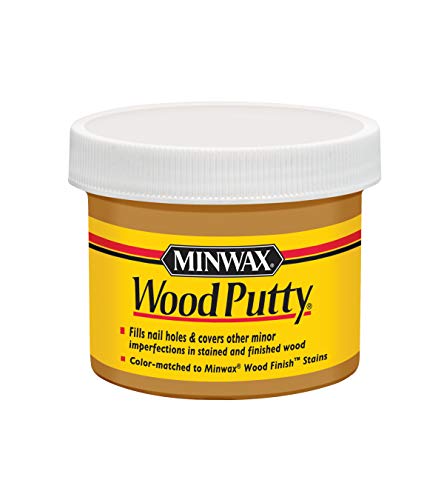
Minwax Wood Putty is a non-hardening, pre-mixed filler color-matched to Minwax Wood Finish stains and intended for repairing minor scratches, gouges, and nail holes. It is positioned as an easy-to-use option for quick repairs on bare, painted, stained, or finished wood. The Golden Oak color is specifically designed to align with corresponding Golden Oak finishes, helping repairs blend with surrounding wood. This putty is ideal for projects where a flexible, stain-friendly fill is desired and where minimal sanding is preferred after application.
In practice, Minwax Golden Oak Putty offers a straightforward approach for quick, less invasive repairs on furniture, framing, or trim. It is best applied in small quantities, worked into the defect with a putty knife, and leveled with the surface for a flush result. After curing, light sanding and a compatible topcoat can help the repair disappear into the oak grain, preserving the aesthetic of the original piece.
Buying Guide
Selecting the right oak filler depends on the project’s demands and finish goals. Consider the following factors to balance aesthetics, durability, and workability.
- Color match and tone: Golden Oak versus White Oak fillers target different oak finishes. Choose a product that visually blends with your surrounding wood and stain option.
- Durability and moisture exposure: Water resistance matters for kitchens, bathrooms, or exterior wood. Decide if you need a filler that resists shrinking, cracking, or weather-related stress.
- Finish compatibility: Some fillers are stainable and paint-ready, while others are non-hardening or designed to take finishes without priming. Confirm that the product supports your chosen finish.
- Indoor vs outdoor use: Outdoor repairs typically require water resistance and stability against temperature changes; interior repairs prioritize smooth sanding and stain compatibility.
- Workability: Drying and cure times affect project pacing. A ready-to-use formula reduces prep, while others may require mixing or reconstituting.
- Sandability: The range of sanding options influences the final surface; smoother fills reduce finish work and help hide repairs.
- Safety and toxicity: Non-toxic, low-odor formulations are preferable for indoor spaces and enclosed projects.
- Size and coverage: Larger repairs may benefit from bigger tubes or jars, while small fixes can use smaller amounts to limit waste.
- Finish robustness: If the repaired area will be subjected to frequent handling or moisture, prioritize a filler with proven durability and a compatible sealant.
Practical approach: for visible repairs on oak furniture, start with a color-matched filler that can be stained or sealed to mimic the surrounding grain. For structural or outdoor needs, prioritize water resistance and stability. When in doubt, test a small, inconspicuous spot to confirm how the filler accepts stain and how it sands to a uniform finish. This helps ensure long-term satisfaction with repairs that look native to the oak wood.