When space is limited or you need sewing capability on the move, a portable sewing machine can be a game changer. The right model balances weight, power options, stitch variety, and ease of use to handle everything from quick repairs to small projects and beginner learning. This guide spotlight five portable machines that blend portability with practical features such as automatic needle threading, drop-in bobbins, and a range of stitches. Each selection emphasizes reliability and value for American crafters, whether you’re between classes, traveling, or simply sewing in a compact workspace. Below is a concise product summary followed by detailed sections and a practical buying guide.
| Product | Brand | Key Feature |
|---|---|---|
| Brother XM2701 Sewing Machine | Brother | 27 stitches, auto needle threader |
| SEDNEE Sewing Machine | SEDNEE | 16 stitches, beginner-friendly |
| WITIFIG Handheld Sewing Machine | WITIFIG | Ultra portable handheld with two power modes |
| SINGER M1150 Portable Sewing Machine | SINGER | 16 stitches, 4-step buttonhole |
| SINGER MX60 | SINGER | 57 stitch applications, portable |
Brother XM2701: Lightweight, Full-Featured Sewing

The Brother XM2701 is designed for temporary setups and travel-friendly sewing. It packs 27 built-in stitches that cover decorative, zigzag, blind hem, and stretch needs, plus an auto-size buttonhole for consistent results. A key convenience is the automatic needle threader, which eases the threading process, and a jam-resistant drop-in top bobbin that simplifies setup between projects. The machine ships with six sewing feet, a trio of needles, a twin needle, multiple bobbins, and an instructional DVD plus manual. Weighing in as a portable full-featured option, the XM2701 balances ease of use with the versatility of a broader stitch selection for home repairs, crafts, and light garments.
For beginners and occasional sewers, setup is straightforward thanks to guided threading and clear controls. The combination of a robust accessory kit and a compact footprint means it travels well in a small workspace or a sewing bag. Users can tackle simple hems, decorative accents, patches, and basic alterations without needing a larger, studio-class machine. The XM2701 stands out as a reliable starter machine that maintains performance across a variety of fabrics, provided projects stay within its typical domestic-use range. It suits hobbyists who value a lightweight, feature-rich option without sacrificing functionality.
SEDNEE Beginner Sewing Machine: 16 Stitches
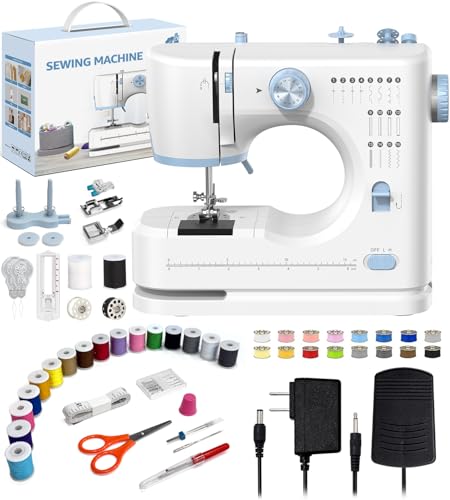
The SEDNEE model targets beginners with 16 built-in stitches that cover basic straight and zigzag styles, plus essential decorative options. It’s designed to be user-friendly, with clear threading guides and intuitive controls that facilitate quick learning and hands-on practice. A two-speed capability and a responsive foot pedal allow learners to adjust speed naturally, supporting smoother transitions from practice to real projects. The compact build, integrated storage, and simple layout are tailored to home DIY, repairs, and crafts, making it a practical entry point for new sewers seeking reliable performance without complexity.
In everyday use, the SEDNEE’s lightweight frame makes it easy to move between rooms or store when not in use. While it doesn’t offer the extensive stitch library of larger machines, it provides enough versatility for alterations, fabric repairs, and craft projects. Its inclusive approach—combining essential stitches with beginner-focused features—helps new users build confidence while still delivering dependable results. For households prioritizing simplicity and value, the SEDNEE offers a practical balance between capability and ease of use.
WITIFIG Handheld Sewing Machine: Ultra Portable

The WITIFIG handheld sewing machine focuses on portability and on-the-spot fixes. Its compact design is ideal for quick repairs to clothing, curtains, and home fabrics when traditional machines aren’t available. It offers two power modes: you can power the device with four AA batteries or with a DC 6V supply (batteries and charger not included). This flexibility makes it suitable for travel, dorm rooms, or small apartments where space is limited. While it’s designed for light sewing tasks, it’s a handy tool for emergencies, crafts, and quick alterations on the go.
Operation is straightforward: after installing power, users press a power button to begin stitching. The machine is best suited for fabrics like lightweight cottons, knits, and similar materials. Its small footprint and simple controls may attract beginners curious about sewing without committing to a larger machine. Potential buyers should consider expectations: it’s not designed for heavy denim or thick upholstery projects, but it excels at quick, everyday repairs and small creative tasks while traveling or away from a full sewing studio.
SINGER M1150 Portable Sewing Machine

The SINGER M1150 stands out for portability combined with a solid stitch selection. It provides 16 built-in stitches and a wide range of 45 stitch applications, giving users flexibility for repairs and small projects. The four-step buttonhole feature makes it easy to create consistent buttonholes, a valuable capability for garment making and home crafts. The machine’s compact design and top-load (drop-in) bobbin simplify setup, while the included LED light helps illuminate work areas for precise stitching. It’s a practical choice for hobbyists, students, or anyone who needs a space-efficient machine that still handles finishing touches well.
For beginners, the M1150 offers a gentle introduction to machine sewing with straightforward stitch selection and preset length/width controls. The combination of a compact body, reliable performance, and supportive features positions it as a dependable entry-level option. For those who expect to dip into simple clothing projects, craft items, or minor alterations, this model offers approachable capabilities along with the durability expected from a SINGER-branded machine.
SINGER MX60 Portable Sewing Machine
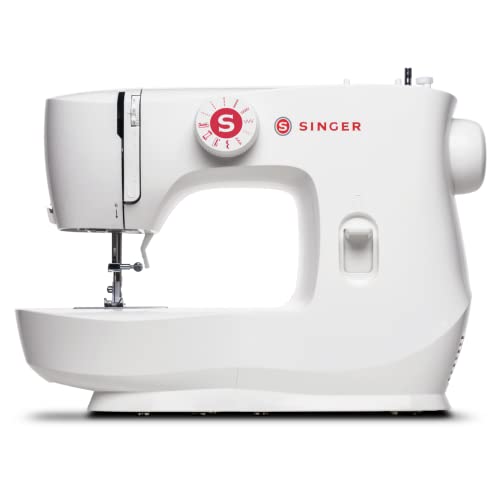
The SINGER MX60 emphasizes a broad stitch library in a portable form. With 57 stitch applications, it supports a wide range of sewing tasks—from basic mending to more creative projects. The machine features a 4-step buttonhole, an LED light for improved visibility, and a comprehensive accessory kit that includes multiple feet, needles, seam rippers, and bobbins. Its compact, travel-ready design makes it suitable for crafters who want more versatility in a small footprint. For projects that require both practical repairs and decorative work, the MX60 delivers a balance of capability and portability.
While portable, the MX60 maintains a robust set of features that can satisfy hobbyists and beginners seeking more options without sacrificing convenience. The included literacy-enhanced basics, such as a simple stitch selector and preset settings, help users operate with confidence. For crafters who anticipate a mix of garment repairs, quilts, crafts, and embellishment work, this machine offers a compelling combination of performance and portability in a compact package.
Buying Guide: Key Considerations For Portable Sewing Machines
- Portability and power: Weigh the machine, its power options (AC, battery, or handheld), and whether you need to sew away from outlets. Handheld models excel for quick fixes, while light-to-moderate desktop units are better for longer sessions.
- Stitch variety and project type: More stitches expand versatility (decorative, utility, auto buttonholes). Choose a model that matches your typical projects—garments, crafts, mending, or quilting basics.
- Ease of use for beginners: Look for features like automatic needle threading, jam-resistant bobbin, simple stitch selectors, and clear guides. A strong starter machine should offer intuitive setup and helpful manuals or DVDs.
- Accessories and expansion: A broad accessory kit (feet, needles, bobbins) adds immediate value. Check if included components align with your projects and whether you can upgrade later.
- Build quality and warranty: Durable construction and a reasonable warranty encourage long-term reliability. Consider customer support accessibility and availability of replacement parts.
- Workspace and noise: Smaller machines save space but verify footprint and noise levels for a shared living area or dorm room. A bright LED light helps in low-light conditions.
- Price-to-value balance: Compare stitch count, motor strength, included features, and accessories. A slightly higher upfront cost can yield better performance and fewer upgrades over time.
- Maintenance and care: Regular cleaning, oiling (if required), and bobbin care extend life. Check user manuals for guidance and ease of maintenance.
- Consider your typical fabrics: For lightweight cottons and knits, most portable machines perform well. For thicker fabrics like denim or upholstery, prioritize models rated for heavier use or with stronger motors.
- Portability vs workspace: If you have a dedicated sewing corner, a slightly larger portable model with a wide table may be preferable. If space is at a premium, a compact handheld option can save room.
- Future needs and learning curve: Beginners often benefit from machines with guided threading and clear presets. As skills grow, you might upgrade to a model with more stitches and features for quilting or garment construction.