
Choosing a primer designed for enamel paints improves adhesion, heat tolerance, and rust protection on metal and automotive parts. The five primers below balance high-heat performance with rust resistance and easy spray application for durable enamel finishes. Use with compatible enamel topcoats for best results.
| Product | Brand | Key Benefit |
|---|---|---|
| Rust-Oleum Engine Enamel Primer | Rust-Oleum | High-heat ready |
| Dupli-Color Engine Enamel Primer | Dupli-Color | Ceramic protection |
| Rust-Oleum Professional Primer | Rust-Oleum | All-metal rust protection |
| VHT Engine Enamel High Heat Primer | VHT | Superior heat resistance |
| Rust-Oleum Rusty Metal Primer | Rust-Oleum | Rust restoration base |
Rust-Oleum Engine Enamel Primer

This 11 oz Rust-Oleum engine enamel spray primer combines a rust-preventive base with enamel compatibility for metal parts exposed to intermittent heat up to 600°F. It resists oil, gas, grease, and environmental threats like rust and humidity. The formula dries to the touch in about 20 minutes and covers roughly 12 square feet per can. For best results, allow full curing as directed on the label before applying enamel topcoats.
Application tips emphasize light, even coats and proper drying between layers. Shake well before use, hold the can 6–12 inches from the surface, and avoid heavy build-ups that may trap moisture. This primer is designed to pair with enamel finishes on automotive components, grills, and other metal surfaces near heat sources.
Dupli-Color Engine Enamel Primer

Dupli-Color Engine Enamel Spray Paint with Ceramic provides Ceramic resins for heat dissipation and gloss retention. This gray primer is engineered to withstand up to 500°F intermittently, protecting surfaces from automotive fluids and heat exposure. It uses a EZ Touch Conical Nozzle for smoother coverage, making it a practical choice for engine blocks and related components. Drying to the touch occurs in about 30 minutes, with handling possible in roughly an hour.
When using this primer, apply in thin, even coats and allow adequate curing between layers. The ceramic components aim to reduce heat-related degradation, which can help maintain enamel finish integrity on hot engine parts and brackets over time.
Rust-Oleum Professional Primer

This 15 oz Gray Primer from Rust-Oleum is designed for ferrous and non-ferrous metals, wood, concrete, and masonry. It provides rust protection and a durable base coat that stands up to weathering. The oil-based formula maintains color integrity under the elements, and it covers up to 14 square feet. It dries to touch in about 15 minutes, making it suitable for quicker topcoat application indoors or outdoors.
For best results, use this primer as a dedicated base on metal surfaces prior to enamel topcoats. It offers robust corrosion resistance and helps create a uniform surface for enamel paints to adhere to, especially on projects exposed to outdoor conditions or frequent temperature changes.
VHT Engine Enamel High Heat Primer

VHT SP148 High Heat Primer for engines blends urethane and ceramic resins to deliver maximum heat resistance and a long-lasting finish. It resists corrosion, rust, salt spray, and common automotive chemicals, making it suitable for headers, engine blocks, brackets, and gear covers. It dries to the touch in about one hour and typically cures overnight for a durable base ready to receive enamel topcoats.
This primer is particularly useful when preparing metal components expected to encounter high temperatures and harsh degreasers. Its resilience helps maintain enamel adhesion and color uniformity on engine parts and other heat-exposed surfaces.
Rust-Oleum Rusty Metal Primer
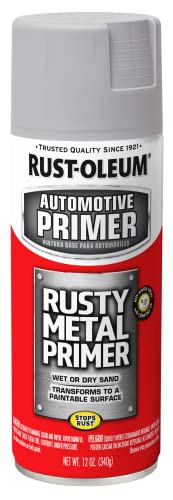
This Rust-Oleum primer targets heavily rusted surfaces, forming a protective oil-based base coat that helps enamel finishes adhere and endure. It dries to the touch in about 15 minutes and covers roughly 12 square feet per can. It is a practical choice for restoring or priming rusty metal before enamel coatings on automotive frames, tools, or outdoor metalwork.
When using this product, remove loose rust and clean surfaces before application. Apply in thin coats to avoid trapping moisture and ensure thorough curing before topcoating with enamel paint for best results in outdoor or workshop environments.
Buying Guide
Key factors influence primer choice when pairing with enamel paints. Understanding these can help you select the right product for engine parts, grill components, or rust-prone metal surfaces.
- Heat resistance: For engine or exhaust-adjacent parts, prioritize high-heat primers rated for 500–600°F intermittent exposure. Ceramic-enhanced formulations can help dissipate heat and preserve enamel gloss over time.
- Substrate compatibility: Metal surfaces (ferrous or non-ferrous) benefit from rust-inhibiting primers. If metal is heavily rusted, choose a rust-preventive base coat designed to neutralize rust before enamel layers.
- Rust protection: For outdoor use, select primers with rust-inhibiting properties and quick-drying features to minimize downtime between coats.
- Drying and recoat windows: Check times from touch-dry to handleable to ensure efficient project progression. Some primers dry quickly for topcoating within an hour, others require longer curing.
- Oil-based vs water-based: Oil-based primers generally offer stronger rust resistance and adhesion on metal but have longer drying times and stronger odors. Water-based options may be easier to use indoors with lower VOCs.
- Topcoat compatibility: Ensure the enamel topcoat is compatible with the primer’s chemistry to maintain adhesion and finish quality.
- Safety and ventilation: Work in a well-ventilated area. Wear a mask when spraying, and follow label safety guidelines for flammability and ventilation.
- Coverage and cost efficiency: Primers vary in coverage (square feet per can). For larger projects, prioritize primers with higher coverage per can to reduce repeat applications.
- Finish and color options: While primers are typically gray or neutral, ensure the primer’s finish won’t tint or adversely affect the final enamel color you intend to apply.
In practice, match the project needs to the product features: high-heat engine components benefit from ceramic or urethane-ceramic blends; moderately rusted or indoor metal surfaces benefit from rust-preventive oil-based primers; delicate or enclosed spaces may warrant low-odor water-based options while maintaining adequate adhesion and durability. Always follow label directions for surface preparation, spray technique, and curing to achieve the best enamel finish.