
Polymer clay projects benefit from a reliable work surface that resists sticking, endures heat, and cleans easily. The right surface helps you roll, shape, and bake without harming clay or tools. This guide highlights five Amazon picks that serve as dedicated polymer-clay work surfaces, from heat-resistant mats to rigid acrylic sheets and texture rollers. Each option offers durability and value for hobbyists and professionals alike.
| Product | Brand | Key Benefit |
|---|---|---|
| Honeydak Oven Safe Work Mats | Honeydak | 5 mats; 7.9 x 11.8 inches; 0.15 mm thick |
| DIYOOHOMY Polymer Clay Tools And Sheets | DIYOOHOMY | Acrylic sheets and slab rollers for even thickness |
| KACOLA Polymer Clay Acrylic Roller And Sheet Kit | KACOLA | Acrylic roller and rectangle sheets for precise shaping |
| Keoker Cracked Surface Polymer Clay Roller Texture | Keoker | Cracked texture roller for unique surface patterns |
| Sculpey Satin Glaze For Polymer Clay | Sculpey | Gives a satin finish and protective seal |
Honeydak Oven Safe Work Mats

These oven liners measure about 20 x 30 cm (7.9 x 11.8 inches) and are 0.15 mm thick, providing a large, flexible surface for clay work. The five-pack ensures replacements for daily use. They resist tearing and wipe clean with water and soap, making them suitable for frequent sessions. Their low-profile design fits standard ovens, doubles as a craft mat, and helps keep countertops clean while you roll, cut, or bake polymer clay pieces. The mats offer a simple, economical way to create a dedicated clay workspace that can handle messy glazes and baked pieces without transferring onto counters.
DIYOOHOMY Polymer Clay Tools And Sheets
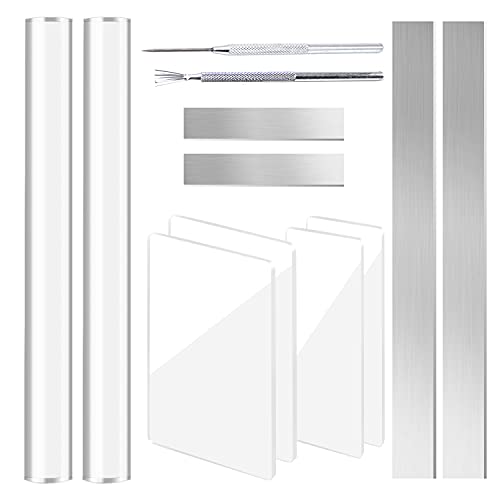
This starter set brings together clear acrylic rectangle sheets, slab rollers, and essential clay cutters, giving you a reliable rolling and shaping platform. The four acrylic sheets protect your work surface, while the two slab rollers—one solid and one hollow—create uniform thickness. The kit also includes four clay cutters and a wire texture tool, enabling precise shaping and detailed textures on clay. All components are easy to clean with soap and water, and the protective covers on rollers reduce scratches during storage. A practical, entry-level solution for a clean, organized clay workspace.
KACOLA Polymer Clay Acrylic Roller And Sheet Kit

The kit centers on a solid acrylic roller and a selection of rectangle sheets and cutters designed for polymer clay projects. The solid acrylic roller helps maintain a consistent thickness as you roll, and the two cutter sizes let you shape jewelry and small decor pieces with accuracy. The included protective box keeps blades and tools from dulling or injuring during handling, while the acrylic surfaces wipe clean quickly. With durable construction and a straightforward setup, this kit provides a reliable workspace for beadwork, earrings, and miniature designs.
Keoker Cracked Surface Polymer Clay Roller Texture

Keoker’s cracked surface texture roller adds a distinctive, repetitive pattern to clay surfaces. Measuring about 3 inches in length, this texture roller is ideal for small designs such as earrings and bezels. Crafted as a 3D-printed brushed texture roller, it’s easy to align with your piece and create irregular, tactile textures. It’s best suited for smaller projects; for large-scale surfaces, consider pairing with larger texture tools. When used on a clean, flat surface, it helps impart consistent texture without extra tools.
Sculpey Satin Glaze For Polymer Clay

Sculpey Satin Glaze provides a smooth seal to cover imperfections and set your clay. The glaze offers a compatible surface texture for clay finishes and colored paints, giving a lovely satin finish to polymer clay creations. It also helps permanently protect cooled pieces by brushing the glaze onto surfaces. This finishing option is ideal after baking to enhance durability, reduce tackiness, and unify color tones on ornaments, figurines, and dolls.
Buying Guide
Choosing the right surface for polymer clay depends on workflow, project size, and budget. A solid workstation blends heat resistance, non-stick properties, and easy cleanup, while rigid acrylic sheets extend workspace and improve thickness control. Texture rollers and cutters add creativity but should be paired with a compatible mat or sheet to prevent texture transfer from other pieces. When evaluating options, consider a mix of surfaces that support rolling, cutting, shaping, and finishing from bake to glaze. Durability, ease of cleaning, and storage convenience influence long-term value for hobbyists and professionals alike.
Key Purchase Considerations
- Surface type: Choose mats for warmth and bake-friendly use, acrylic sheets for rigid work surfaces, and texture rollers for patterning.
- Size and thickness: Larger mats and thicker sheets provide more working area, while ultra-thin mats save space but may wear faster.
- Heat tolerance and cleanup: Oven-safe mats and nonstick surfaces simplify baking and cleanup; look for surfaces that wipe clean easily with soap and water.
- Durability and replacement: 5-pack mats or multi-piece tool sets offer value through repeated use and replacements.
- Safety and materials: Non-toxic finishes and coatings are preferable for hobby projects, particularly when children are involved.
Surface Type And Use-Cases
- Oven mats: Ideal as a dedicated clay workspace that also protects countertops during baking; they are flexible and easy to store.
- Acrylic sheets and rollers: Provide firm, consistent thickness and clean lines; great for beginners and experienced crafters alike.
- Texture rollers: Create patterns easily; pair with a flat, clean base to avoid unintended texture mixing.
- Finish and glaze: Finishing products like satin glaze improve durability and appearance on baked pieces.
- Combination approach: Use mats for rolling and baking, acrylic tools for precise shaping, and glaze for final touches to maximize results.
Size, Durability, And Cleaning
- Size should align with project scope — larger pieces benefit from bigger mats or sheets, while small jewelry can use compact surfaces.
- Durability matters for repeated bake cycles and frequent handling; look for products described as tear-resistant and easy to wipe.
- Cleaning is easier when surfaces are nonstick and soap-and-water friendly; avoid abrasive cleaners that could scratch acrylic or mat surfaces.
Maintenance And Storage
- Store mats flat or rolled to prevent warping; keep acrylic sheets dry to avoid residue buildup.
- Wipe surfaces after each use to prevent clay residue from drying and sticking in tiny crevices.
- Regularly inspect texture tools for wear; replace handles or edges that show cracking or excessive scratching.
Value And Compatibility
- Bundles that combine mats, sheets, and basic tools often offer the best value for frequent crafters.
- Ensure compatibility with your oven and workspace; some mats are designed to fit standard ovens, while acrylic sheets suit home desks and tables.