
Choosing a beginner tarot deck is about balance: readable imagery, durable cards, and clear guidance. The right starter deck helps you learn meanings, reversals, and spreads without overreliance on a guidebook. The five decks below are popular for newcomers due to approachable artwork, on-card or included guidance, and sturdy construction. Use the quick summary table to compare core traits at a glance and then dive into each option to see which aligns with your learning style and reading goals.
| Product | Brand | Notable Feature |
|---|---|---|
| KLEDERY Tarot Cards For Beginners | KLEDERY | Waite-inspired imagery with on-card meanings |
| The Rider Tarot Deck | U.S. Games Systems, Inc. | Classic Rider-Waite system with instruction booklet |
| Witchy Cauldron Tarot Cards For Beginners | Witchy Cauldron | Beginner-friendly with planetary and chakra info |
| The Original Tarot Cards Deck With Guide Book | Da Brigh | 350 GSM stock, 86-page guidebook, Pamela Colman Smith artwork |
| Fofeadm Tarot Cards For Beginners | Fofeadm | Front-of-card meanings with 400 GSM stock |
KLEDERY Tarot Cards For Beginners

This beginner deck follows the classic Waite tradition, with Pamela Colman Smith-inspired imagery that readers recognize from popular divination. The cards are printed on sturdy 350 GSM stock and measure about 4.72 by 2.75 inches, a comfortable size for shuffling and handling as you learn. One key benefit is the built-in reference: meanings appear on the cards themselves, in upright and reversed positions, helping you connect symbolism to interpretations from day one. The set also includes zodiac signs, elemental names, numerology, and yes/no/maybe cues to support early learning.
Beginners often prefer decks that double as learning tools, and this one delivers. The on-card meanings reduce guesswork while you practice spreads and track your progress in a journal. The content has undergone professional reviews to ensure accuracy, and the durable stock resists wear as you shuffle and carry the deck. Pair the cards with the included guidebook to reinforce upright and reversed interpretations, then gradually memorize keywords that anchor deeper study. For readers seeking a symbol-rich start, this kit provides a reliable, approachable path.
The Rider Tarot Deck
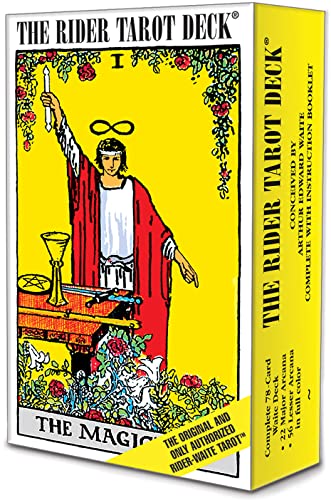
Arguably the most influential deck, The Rider Tarot Deck uses Rider-Waite imagery that has shaped countless modern readings. With 78 cards, the symbolism remains accessible to new readers who want a familiar invitation to interpret spreads. The included instruction booklet offers concise, beginner-friendly guidance to translate the pictures into practical meanings, colors, and motifs. Because this deck has become a benchmark, many instructors teach with it, making it a dependable starting point for consistent study.
Readers advance best when imagery supports depth, and The Rider deck remains a versatile companion. Its clear symbols and universal allegory help you move from basic interpretations to richer readings. The familiar imagery can also support study notes, while the compact format makes it easy to practice anywhere. If your goal is a solid introduction with broad compatibility across readings, this deck provides a stable foundation and long-term value.
Witchy Cauldron Tarot Cards For Beginners

Beginner-friendly and full of charm, Witchy Cauldron Tarot Cards teach through clear meanings and planetary influences. The deck emphasizes chakras and keywords on each card, helping new readers attach intuition to concrete symbols. The familiar Rider-Waite-inspired imagery sits alongside modern twists that keep learning engaging. Designed for practice and study, the cards are sized for easy shuffling, and the included training notes guide you through common spreads while you become comfortable interpreting upright and reversed meanings.
The deck supports intuitive growth by presenting a balanced mix of traditional symbolism and accessible explanations. Beginners benefit from the direct, on-card cues and keywords that shorten the learning curve, while curious readers can later expand into planetary and chakra associations for deeper readings. With durable card stock and generous card margins, users can perform multiple practice sessions without fraying edges. If you want a playful entry point that still respects classic tarot logic, Witchy Cauldron offers a compelling, approachable option.
The Original Tarot Cards Deck With Guide Book

Da Brigh’s classic deck pairs timeless artwork with practical learning tools. The cards are printed on 350 GSM art stock with a linen-like finish, balancing durability with a tactile, traditional feel. An 86-page guidebook accompanies the set, explaining upright and reversed meanings, a simple 3-card spread, and practical tips for starting readers. The artwork echoes Pamela Colman Smith’s 1909 designs, making this deck an enduring reference for English-speaking readers who want familiarity and reliability as they begin to explore tarot.
With broad availability and a straightforward layout, this deck suits learners who appreciate a steady, rules-based approach. The guidebook’s explanations align with classic interpretations, while the linen feel and the sturdy stock withstand repeated handling. Beginners can build a confident routine by practicing common spreads, recording insights, and returning to the guide for reinforcement. If you favor a traditional aesthetic and proven structure over trend-driven styles, this deck offers a solid foundation for long-term study and consistent readings.
Fofeadm Tarot Cards For Beginners

Fofeadm’s beginner deck emphasizes clear, on-card meanings and practical guidance. The front of each card lists upright and reversed keywords, symbols, and quick Yes/No cues, so you can begin interpreting spreads without flipping to a separate manual. The deck also includes elements, astrology (zodiac and planetary associations), chakras, and timing hints to support a deeper, structured study. Cards are presented with robust 400 GSM stock to endure repeated shuffles, making it a durable option for daily practice as you build confidence.
Readers who want a quick reference will appreciate the built-in keywords and the guidebook’s clear explanations. This arrangement minimizes the time spent hunting for meanings, while still offering room to grow into more nuanced readings. The durable finish, generous margins, and balanced cardstock help maintain card integrity through frequent use. If your goal is a straightforward, educational starter that scales as you learn, Fofeadm’s beginner deck provides a reliable, economical entry point.
Buying Guide
When choosing a beginner deck, consider imagery style, how meanings are learned, and how durable the cards are for everyday practice. A deck that offers on-card meanings can shorten the early learning curve, while a strong guidebook can provide structure for more formal study. Card stock and finish affect how the deck feels in your hands and how long it lasts through repeated shuffles. Size also matters; most beginners prefer a comfortable 4.5–5 inch length that’s easy to handle. Compatibility with your intended reading goals—personal reflection, journaling, or client readings—should guide your choice.
- Deck system and imagery: Do you want a classic Rider-Waite interpretation or a Waite-based variant? The Rider-Waite style is widely taught and understood, while other decks may offer different symbolism that sparks intuition differently.
- On-card meanings vs guidebook: Decks like KLEDERY place meanings on the cards, speeding initial learning. Others rely on a separate guidebook, which can encourage longer study sessions and reference during readings.
- Card stock and durability: Heavier stock (350–400 GSM) plus a linen or smooth finish resists creasing and edge wear. A sturdy deck lasts longer through daily practice.
- Card size and handling: Larger cards are visually rich but harder to shuffle for some beginners. A compact size improves comfort and practice flow for most readers.
- Learning aids and structure: Guides, keyword glossaries, and suggested spreads help structure practice. Look for decks that provide practical spreads and example interpretations to build confidence.
- Reversals and keywords: Some decks print upright and reversed meanings directly on each card, while others rely on the guidebook or the reader’s intuition. Decide which learning method suits you best.
- Community and resources: Popular decks often come with abundant tutorials, reader forums, and class guidance. A well-supported deck is easier to learn with over time.
Summary of how these five decks align with typical beginner needs: choose KLEDERY for immediate on-card learning with structured support; pick The Rider Deck for a traditional, widely taught framework; consider Witchy Cauldron for an engaging, modern twist with planetary and chakra cues; opt for The Original Tarot Cards Deck to enjoy classic artwork with a robust guide; and select Fofeadm for quick reference-style learning and strong durability. Your choice should reflect how you prefer to absorb meaning—on-card cues, book-supported learning, or a balance of both—and how you plan to practice most often.